
The Exit Strategy: What to Do About Outsourcing Failures When Your Software Partnership Fails.
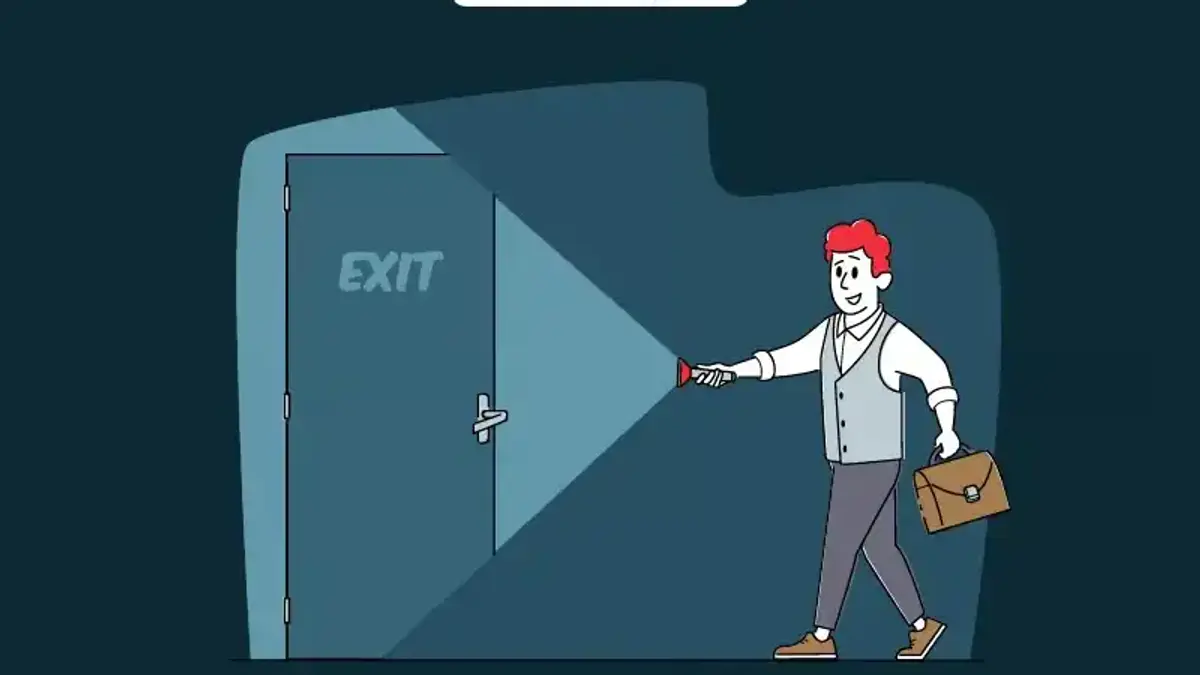
William Shakespeare once wrote that “All that glitters is not gold.” This saying applies to software outsourcing just as aptly as it applies to The Merchant of Venice. Sometimes, companies get seduced by the idea of outsourcing their app development to save money, only to be disappointed when their software outsourcing fails.
So, what do you do when you find yourself in an outsourcing nightmare?
This is an area that I have had the honor of experiencing several times. In my former life, I was the client in an outsourcing nightmare, and in my current position as SVP of CodeStringers, I have taken over projects to “save” clients in the middle of outsourcing nightmares.
Hopefully, I can help you benefit from my experience and teach you how to gracefully and painlessly uncouple from an outsourcing relationship that is no longer working.
At CodeStringers, we pride ourselves on successfully rescuing companies from software outsourcing failures. Here’s a typical example of what can go wrong and how to fix it. This story is fictional; however, it is a composite of real-world incidents that we’ve seen in the past:
Acme Technologies is a medium-sized software firm that has carved out a successful niche within the healthcare software industry. Their product has been around for decades and is currently being maintained by in-house staff. However, they had a specific client need for a mobile diagnostics app, which they didn’t have the resources to build in-house, so they decided to outsource to Pied Piper Technologies in India. Pied Piper was selected through an RFP process because their price was the lowest among the 3 outsourcers who responded. The two-page RFP requested the delivery of the Acme Diagnostics app within 6 months.
A couple of weeks after the deal was signed, problems became apparent. Acme hadn’t heard hide nor hair from Pied Piper. Acme’s VP of product reached out to Pied Piper’s project leader for updates, and each time they were assured that their product was still on track for on-time delivery.
Eventually, Acme got worried and asked for a demo. So at the 3-month mark, Pied Piper set up a demo of what they had built so far. On the positive side, the app looked nice, and it did exactly what the RFP had asked for, it had myriad problems. The user experience was unintuitive; several of their clients' products were omitted, and the ones included were often misspelled. And it didn’t integrate with Acme’s main product at all.
When Acme asked to correct these mistakes, Pied Piper said that it was out of scope and would require an additional $100k change order. Acme had no choice but to agree to the change order.
Three months later, when the six-month deadline arrived, Pied excitedly delivered the app with the requested changes. It was a mess. Again, it looked great, and they did make the exact changes that Acme asked for; however, the integration was completely wrong, and consequently, the app didn’t work. When Pied Piper mentioned this to Acme, Acme replied that it wasn’t their fault because the integration requirements were not clear.
So, after 6 months, Acme found themselves stuck with an app that didn't work and was $100k over budget.
So what should they do?
Many business leaders find it challenging to admit when software outsourcing fails. The psychological resistance isn't just about pride; it's also about the financial and time investments already poured into the project. This is typical human behavior, which psychologists call the “sunk cost fallacy”. Once you’ve put a lot of time, effort, and money into something, you don’t want to think of it as “wasted”.
However, in reality, this logic is incorrect. What has happened in the past can’t be changed. The only question is, which course of action is most likely to result in success?
In the aforementioned example, does Acme have any reason to believe that Pied Piper will be able to succeed in the future when they’ve been so ineffective in the past? Or would they be better off trying something new?
Rather than jumping ship immediately, try to open a dialogue with your outsourcing partner. There are two reasons for this:
It's possible that the relationship is still worth saving. The outsourcer may actually “hear you” and try to rectify the situation through staff or process changes.
If (a) fails, you’re still going to need to come up with a transition plan. The transition is much easier if you are still on good terms with the recently fired outsourcer.
As you evaluate the relationship, make sure to document every interaction, decision, and delivery. Again, there are two reasons for this:
It will make transition easier if the next outsourcer (or internal team) has records to refer to in order to get them up-to-speed.
It's good to have meticulous records in case there is a future legal dispute.
Understanding the terms of your agreement is essential. Know what you're entitled to regarding intellectual property, source code, or even refunds for non-delivery. If a breach has occurred, this can give you leverage in discussions or provide a clear path for your exit.
Before announcing a break-up, ensure that all your data, source codes, and intellectual property are safely in your possession. This prevents potential misuse or, in the worst case, sabotage. Again, it will also make life easier for the next outsourcer or internal team that takes over the project.
If your software project is at a critical juncture, consider partnering with a software rescue team, like us at CodeStringers. Such teams specialize in understanding distressed projects and steering them back on track.
You may want to read: 8 smart tips for evaluating outsourcing partner
Take a step back once you manage the immediate crisis. Analyze what went wrong. Was it a mismatch of expectations? Did you not vet the outsourcing company thoroughly? Use this experience to refine your vendor selection process for the future.
A failed outsourcing relationship isn't just about lost time or money. It can also damage your reputation with stakeholders, be it investors, customers, or your own team. Communicate openly about the challenges faced, the steps taken to rectify them, and the new direction you're heading in.
Exiting an underperforming software outsourcing relationship is challenging but sometimes necessary. The key is to act decisively, safeguard your company’s interests, and pivot to a more fruitful partnership. At CodeStringers, we've championed many such transitions, turning failing projects into success stories. While no one wishes for a sour relationship, it’s always good to have an exit strategy in place, just in case.
In a no-risk discovery we look at your CRM, finance and operations systems and who owns each part, and show what a connected system would do differently. You pay only if you proceed. Or see how we approach it.
More on the same problem:
Software Testing Strategy for an SMB: What's Actually Worth It (article)
In House vs Outsourcing Software Development: The Real Trade-Offs (article)
Software Maintenance Costs, Explained: What You'll Actually Pay After Launch (article)
Status updates that are always on track with nothing to show. Demos postponed. Questions answered by a salesperson rather than the engineers. Every clarification treated as a change order. Staff on the project changing without notice. Code you cannot access. Any two of these in the first month mean it is time to ask for a working demo and read the contract.
Whatever the contract says. Most agreements assign the code to the client on payment, but some vendors retain ownership of reusable components or hold the code until the final invoice is paid. Check the IP clause before the relationship sours, and insist from the start that code is committed to repositories you control. Possession settles most disputes before they begin.
Secure the code, documentation, credentials, cloud accounts and data first. Then have the new team run a short assessment of what exists and what works. Agree a scope for stabilizing before building anything new. Keep the old vendor on a short paid handover if relations allow. Expect the first weeks to produce understanding rather than features.
Sometimes, depending on the contract's acceptance and termination terms and whether you can show non-delivery against written requirements. Vendors often prefer a negotiated settlement, such as waiving final invoices or handing over all work product, to a dispute. Document everything, get legal advice before making claims, and weigh the cost of pursuing a refund against the cost of simply moving on.
Choose on evidence rather than price: a release plan the vendor built, references you called, engineers you met. Require working demos every sprint. Keep code, accounts and data in your name. Put a product owner on your side with time to answer questions. And read the exit terms before signing, because the easiest exit is the one you negotiated when both sides were still friendly.
"Something isn't working." "We're outgrowing our tools." "We're afraid to make the wrong move." No-Risk Discovery is a short, practical conversation that gets you clarity before you commit to anything big. We'll tell you if we're a fit. If we're not, we'll tell you that too.
Say who you are and ask. A person replies within one business day.
